


Build.
BuildIntel exists to restore what matters most when disaster strikes. We provide rapid response catastrophe recovery, reconstruction, and restoration services for commercial, industrial, municipal, and residential clients.
Through innovation, safety, and disciplined execution, we deliver tailored solutions that accelerate recovery and minimize disruption. The BuildIntel difference is our commitment to helping clients and communities rebuild stronger while providing exceptional service every step of the way.
Catastrophe Construction Management
Restoration/Remodel/Renovation
Large Loss demolition
Structural shoring and stabilization
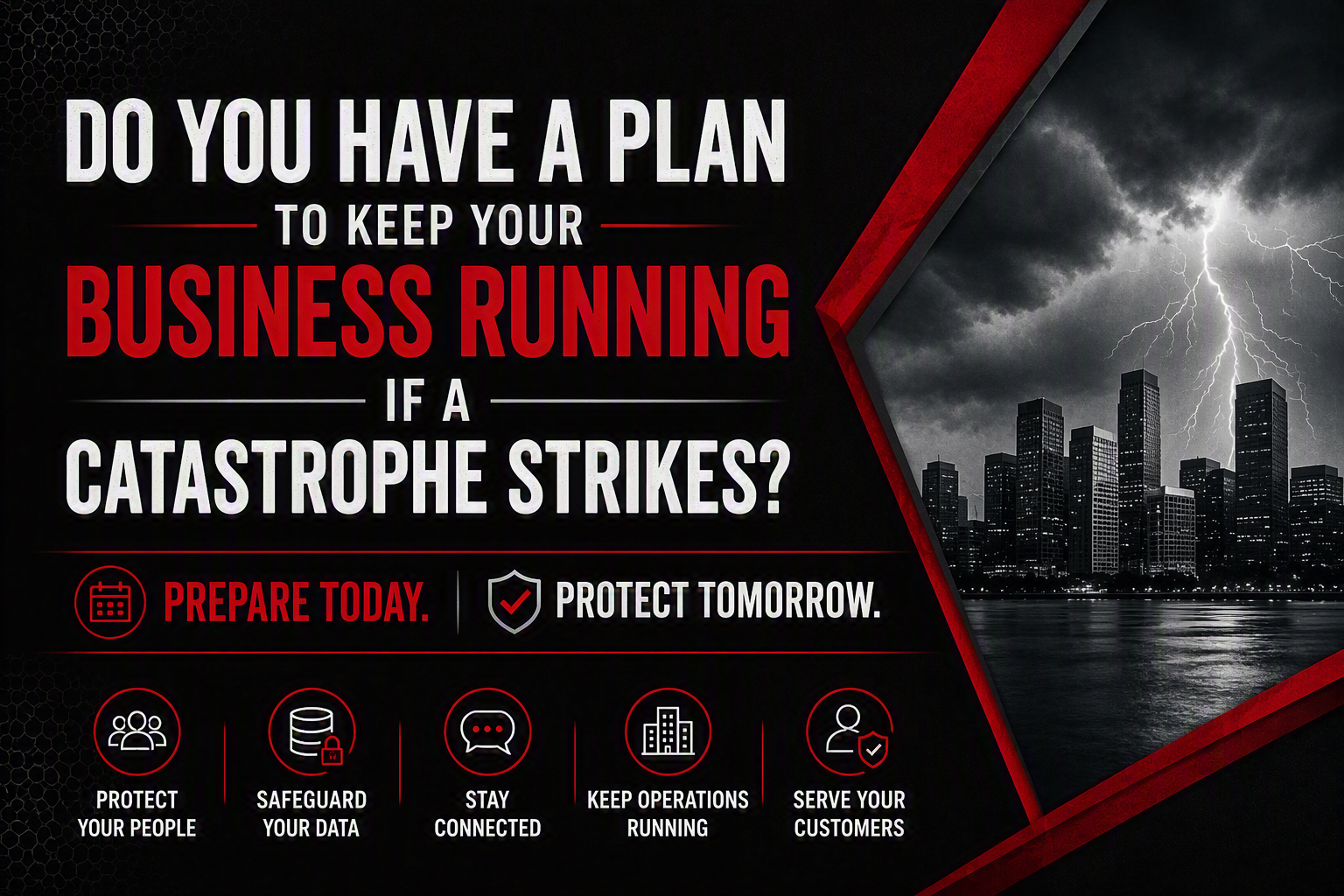
Intel.
BuildIntel is a trusted partner across the full lifecycle of construction, disaster recovery, and property related challenges. Our Catastrophe Construction team provides emergency response and reconstruction services that help clients recover quickly and efficiently, while our Intel division delivers expert consulting, forensic analysis, building assessments, and expert witness services that guide critical decisions and resolve complex disputes.
By combining field-tested construction expertise with objective professional insight, we help clients protect assets, reduce risk, and achieve successful outcomes.
Expert Services
PROPERTY & CLAIMS PROFFESSIONALS / BUILDERS RISK
Construction intelligence supporting claims evaluation, investigation, and resolution.
LEGAL COUNSEL & DISPUTE SUPPORT / SURETY
Clear, precise, defensible construction analysis built to withstand scrutiny.
OWNERS / PROPERTY MANAGERS / DEVELOPERS & RISK STAKEHOLDERS
Experienced construction insight for assets, portfolios and performance risk.
NEUTRAL DISPUTE RESOLUTION: APPRAISAL & UMPIRE
Clear, independent, grounded resolutions to construction disputes.
MEET THE PROS
Our Experts.
Shaped by experience.

CHAD FULLER
Founder & Principal | Lead Expert
Brings over 35 years of hands‑on experience across all phases of construction, including residential, industrial, energy, and advanced systems. A proven leader and mentor, delivering disciplined analysis grounded in real‑world execution. Known for clear, defensible testimony, steady composure, and a direct, honest approach. Trusted to perform under pressure and drive outcomes with accuracy, accountability, and consistency.
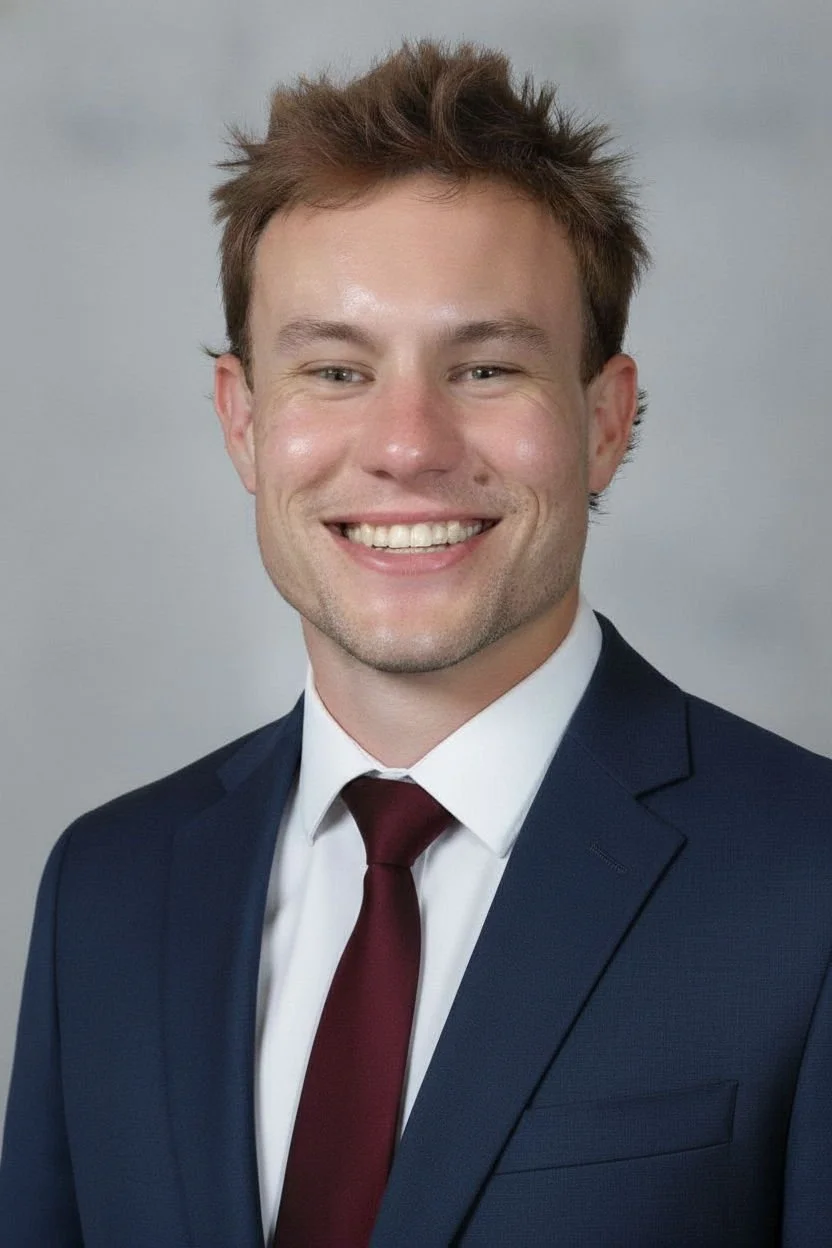
JAXON SLOCUM
Director of Construction
Brings a proven track record of leadership, entrepreneurship, and construction management across residential, hospitality, and multifamily projects. A results driven professional known for disciplined execution, problem solving, and an owner-minded approach to every engagement. Trusted to lead with accountability, build strong client relationships, and drive projects forward with consistency, integrity, and attention to detail.
ABOUT OUR FIRM.
One Standard. Applied Consistently.
BuildIntel is a trusted catastrophe construction, consulting, and forensic services firm dedicated to helping commercial and industrial property owners recover from complex property losses, construction failures, and building-related disputes.
For more than 26 years, our team has stood shoulder to shoulder with owners, developers, attorneys, insurers, and risk managers through some of the most challenging situations imaginable, from severe storm damage and structural failures to construction defects and large-scale property losses.
Our unique approach combines the hands-on expertise of experienced contractors with the analytical capabilities of forensic consultants and expert witnesses.
Frequently Asked Questions.
-
Absolutely. We provide transparent, project-specific fee proposals based on the scope of work, project duration, and the level of expertise and technology required. Whether it’s a fixed-fee engagement for a specific assessment or an hourly rate for ongoing advisory, we’ll provide a detailed breakdown so there are no surprises.
-
An expert is most valuable when disputes involve scope, methodology, valuation, causation, or sequencing, rather than simple line‑item pricing differences. Matters escalate when early technical opinions are not grounded in defensible construction analysis or when valuation questions drift into coverage issues.
-
Industry commentary consistently points to disagreement over what is being appraised, not just how much it costs. Common pitfalls include scope boundaries, causation debates, matching issues, ordinance and law considerations, and the failure to satisfy policy conditions before appraisal is invoked.
Our role is to help keep appraisal focused on amount‑of‑loss questions, supported by transparent construction methodology.
-
Neutrality is grounded in process, documentation, and independence. Zelle and other insurance‑law resources emphasize that credible appraisers and umpires must separate valuation analysis from coverage determinations and avoid advocacy positions.
At Build | Intel, neutrality is maintained by clearly defining scope, disclosing assumptions, and applying repeatable methods grounded in construction practice.
We believe the best qualities for a neutral umpire are as follows:
· Evaluate two competing positions and rule on the differences rather than splitting the difference.
· Ensure every piece of evidence: Xactimate, forensic reports, protocols for cleaning/drying are given equal airtime, nothing ignored.
· Listen, observe, hear every word from both parties.
· Require joint inspections and joint meetings only, no deviations.
· No winners/losers, goal is a mutual escape from litigation costs and delays and fair agreement for policyholders.
· Our umpires perform line-by-line reconciliation. Break dispute down to small manageable items.
· We reserve the right to hire a fourth expert if a competing forensic or technical issue hits a dead-in. Fourth experts hired only after both parties agree to that expert.
· We provide a “draft” award with reasoning. This allows appraisers to point out factual errors, and we encourage a debate per this draft award to ensure fairness.
-
Courts frequently scrutinize expert opinions that lack clear methodology, documented assumptions, or alignment between experience and opinions offered. Industry guidance highlights that opinions extending beyond actual field experience or blending legal conclusions with technical analysis are particularly vulnerable.
-
Disputes become more difficult and expensive when early scopes, estimates, or repair assumptions are not tested against constructability and sequencing realities. Choosing the right expert who utilizes a proven protocol early in the dispute timeline saves time, reduces rework, and ultimately reduces the chance these positions harden.
-
Builder’s risk and surety matters often involve partially completed work, multiple contracting parties, evolving scopes, schedule impacts, and default considerations. Industry sources highlight the difficulty of separating completed work from work remaining and evaluating cost‑to‑complete without execution context.
We approach these matters with attention to sequencing, scope definition, and real‑world construction execution. Our experts have on-the-project experience. We’ve navigated these same issues on our own projects. We understand the complexities, liabilities and costs.
-
Portfolio disputes often arise from inconsistent repair standards, capital planning decisions, or system‑wide losses. Consistent, defensible construction analysis is critical when decisions impact multiple assets.
Build | Intel translates construction findings into clear decision support that works at both the site and portfolio level.

READY TO BEGIN?
Talk to an Expert.
A disciplined process begins with understanding the challenge. Let’s start the conversation.